
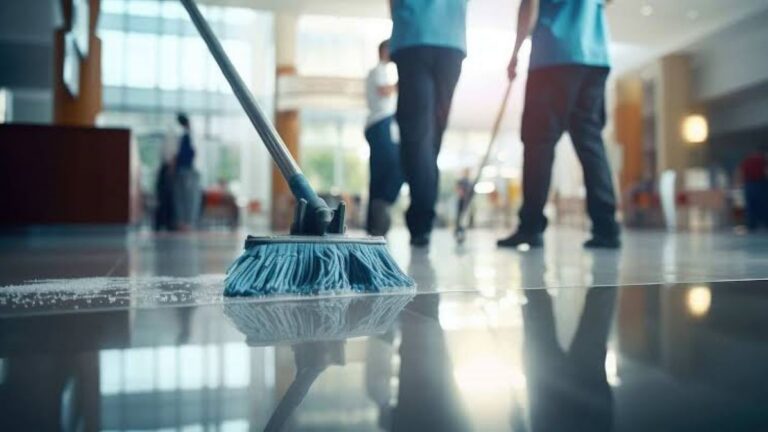
Sydney councils expect food businesses to prove they can keep food safe every day, not just when an inspector visits. That comes down to documented systems, spotless high risk areas, and staff who follow a clear routine.
For most venues, restaurant cleaning sydney is not about looking tidy. It is about controlling contamination risks that can lead to complaints, penalties, or closure.
What do Sydney councils actually check during a food premises inspection?
They check whether the business is meeting the Food Standards Code and local council requirements in practice. Inspectors look for cleanliness, maintenance, hygiene behaviours, and records that show cleaning is planned and completed.
They also focus on risk points like handwashing, temperature control, and cross contamination. Strong restaurant cleaning Sydney systems make these checks straightforward because there is evidence, not guesswork.
Which areas must be cleaned daily to meet food safety expectations?
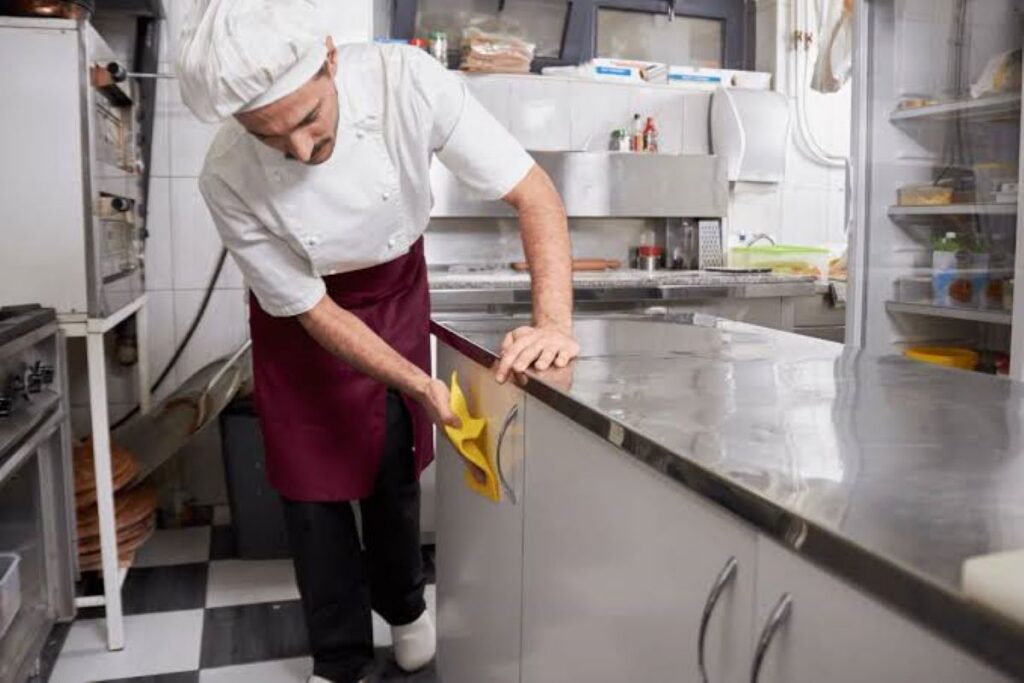
They should clean high touch and food contact areas daily, and often multiple times per service. This includes benches, sinks, taps, cutting boards, slicers, and fridge handles.
Floors, bins, bathrooms, and entry points also need daily attention because they spread dirt and pests quickly. In restaurant cleaning sydney, councils expect the daily list to match how busy the venue is, not a generic checklist.
What counts as “clean” versus “sanitised” in a commercial kitchen?
Clean means visible soil and grease are removed using detergent and water. Sanitised means microbes are reduced to a safe level after cleaning, using heat or an approved sanitiser at the right concentration and contact time.
Councils expect staff to understand the difference because sanitiser does not work properly on greasy surfaces. Clear procedures are a core part of compliant restaurant cleaning sydney routines.
How should food contact surfaces be cleaned and sanitised correctly?
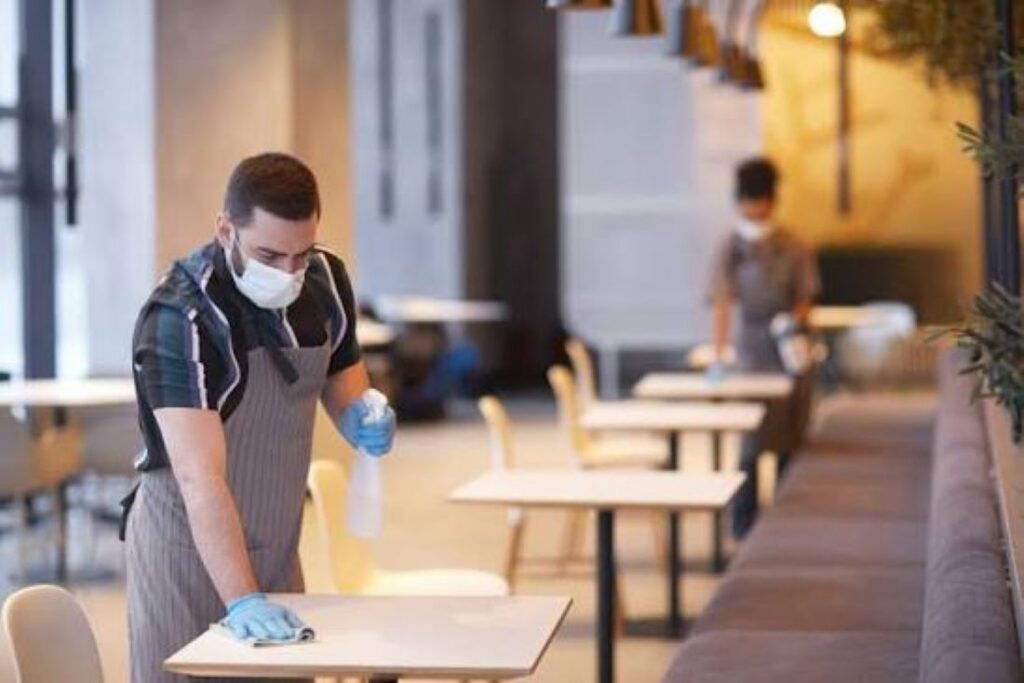
They should follow a simple sequence: scrape, wash, rinse, sanitise, then air dry. Cloths and spray bottles must be clean, labelled, and used for the right zone to avoid spreading bacteria.
Many kitchens fail on small habits like wiping and reusing the same cloth across prep areas. A strong restaurant cleaning sydney plan assigns tools by colour or area so staff do not improvise mid service.
What do councils expect for dishwashing and glasswashing systems?
They expect machines to reach effective temperatures or use correct chemical dosing, and they expect staff to pre scrape and load items correctly. If they use a double or triple sink, they need proper wash and rinse steps plus sanitising.
Inspectors may look for dirty filters, mouldy seals, or cloudy glassware as signs the system is failing. Consistent outcomes are a key expectation in restaurant cleaning sydney, not just owning a dishwasher.
What pest prevention cleaning do councils expect in Sydney?
They expect the venue to remove food sources, water sources, and hiding spots. That means cleaning under benches, behind fridges, around drains, and inside bin areas, plus sealing gaps where possible.
They also expect evidence of an active pest program, especially where there is a history of activity. Good restaurant cleaning sydney reduces pest pressure before a technician even arrives.
How should bins, grease traps, and waste areas be managed for compliance?
They expect bins to be lidded, lined, and cleaned often enough to prevent smells, flies, and leakage. Waste areas should be easy to hose and disinfect, with no build up of grime around drains.
Grease management matters because grease attracts pests and creates slip hazards, especially near back of house exits. Practical restaurant cleaning sydney schedules include waste zones, not just the kitchen line.
What bathroom cleaning standards matter for food safety inspections?
They check bathrooms because they reflect hygiene culture and can contaminate hands before staff return to food areas. They expect bathrooms to be stocked with soap, paper towels, and working hand basins.
They also expect frequent cleaning of taps, handles, and floors, especially in busy venues. In restaurant cleaning sydney, bathrooms are often where inspections find avoidable failures.
How do councils assess handwashing facilities and hygiene behaviours?
They expect handwash basins to be accessible, used only for hands, and supplied at all times. They also look for behaviours like staff washing hands at the right moments and not handling food after touching phones, cash, or rubbish.
If a basin is blocked by boxes or used for rinsing utensils, it can lead to non compliance. This is a common gap in restaurant cleaning sydney operations during peak service.
What cleaning records and documentation should a Sydney venue keep?
They expect cleaning schedules, sign off sheets, and a clear method statement for key tasks. They also expect Safety Data Sheets for chemicals and proof staff know how to use them safely.
Records do not need to be complicated, but they must be consistent and believable. Reliable restaurant cleaning sydney documentation shows what was cleaned, when, by whom, and what chemicals were used.
What training do councils expect staff to have for cleaning and food safety?
They expect staff to understand their cleaning tasks, chemical use, PPE, and cross contamination risks. They also expect at least one appropriate food safety supervisor arrangement, depending on the business and NSW requirements.
Training should be refreshed when menus, equipment, or staff change. In well run restaurant cleaning sydney sites, training is short, practical, and backed by checklists staff actually follow.
How should chemicals, cloths, and equipment be stored to avoid contamination?
They expect chemicals to be stored away from food and food packaging, ideally in a labelled cupboard. Cloths, mops, and buckets should be cleaned, dried, and stored so they do not become a bacteria source.
Colour coding and labelled spray bottles reduce mistakes and speed up cleaning. This is a straightforward way to tighten restaurant cleaning sydney compliance without adding labour.
What maintenance issues are treated as cleaning failures during inspections?
They often treat poor maintenance like a cleaning issue because it prevents effective hygiene. This includes cracked tiles, peeling paint, rust, broken seals, damaged benches, and mouldy silicone.
If a surface cannot be cleaned properly, councils may require repairs quickly. Many restaurant cleaning sydney defects are fixed by combining cleaning with a basic maintenance plan.
What changes when a venue handles allergens or raw foods like poultry and seafood?
They expect stronger separation and cleaning controls where allergen cross contact or raw protein contamination is likely. That means dedicated utensils, strict bench sanitising between tasks, and careful storage.
They also expect clear labelling and staff who understand allergen risks for customers. Strong restaurant cleaning sydney practices reduce the chance of one mistake becoming a serious incident. Check out more about Food allergies.
What should venues do before and during a council inspection?
They should run an internal walk through using the same logic an inspector will use: high risk surfaces first, then storage, then waste, then bathrooms. They should also ensure schedules are up to date and staff can explain procedures.
During the visit, they should answer directly and provide records quickly. When restaurant cleaning sydney is embedded, inspections feel routine rather than stressful.
How can a restaurant prove its cleaning system works over time?
They can prove it through consistent records, visible standards, and periodic deep cleans that target hard to reach areas. Some venues also use simple verification like ATP swabs or manager sign offs on critical zones.
Councils respond well to systems that show continuous control, not last minute effort. Effective restaurant cleaning sydney is predictable, repeatable, and easy for staff to maintain.
What is a practical weekly and monthly cleaning scope councils expect?
They expect daily cleaning to be supported by deeper work that removes grease, scale, and build up. Weekly tasks often include under equipment, cool room shelving, vents, and detailed bathroom work.
Monthly tasks often include high level dusting, behind fixed equipment, and steam or degrease work on walls and floors. This layered approach is central to restaurant cleaning sydney because it prevents gradual decline.
What should venues do if they receive a warning or improvement notice?
They should respond quickly with a corrective action plan, then document the changes with photos, invoices, and updated schedules. They should also retrain staff if the issue involved behaviour or process gaps.
A fast, organised response can reduce follow up pressure and protect the venue’s reputation. Many restaurant cleaning sydney problems are resolved by tightening routines and proving follow through.
What is the simplest way to meet Sydney council cleaning expectations consistently?
They should use a clear schedule, train staff to follow it, and assign responsibility for sign off each shift. They should focus most effort on food contact surfaces, handwashing areas, waste zones, and pest risk points.
When routines are simple and documented, compliance becomes the default. That is what councils want to see from restaurant cleaning sydney businesses trying to protect customers and their own licence to trade.
More to Read : How Often Should Gym Cleaning Sydney Facilities Sanitise Equipment?
