
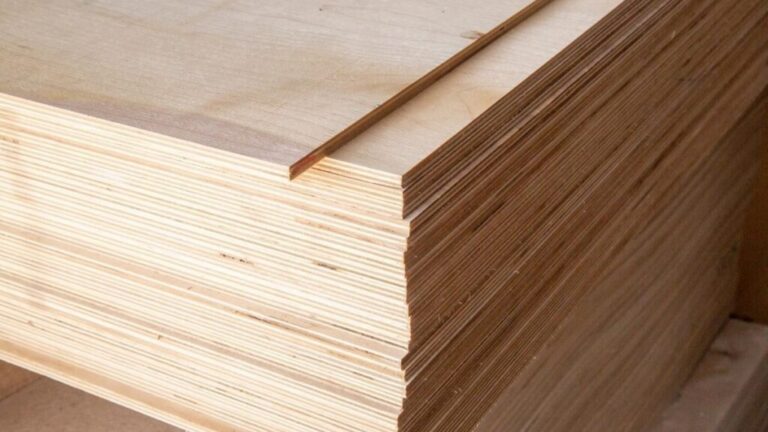
What is formply, and why do cabin projects use it?
Formply is a structural plywood with a hard, resin-impregnated film face designed to resist moisture and abrasion. Cabin owners and builders like it because it stays flatter than many general-purpose sheets and copes better with muddy sites and damp conditions. When they buy formply, they are usually paying for predictable performance, fewer defects, and faces that can handle rough handling.
Which thickness should they choose when they buy formply?
They should match thickness to span and load, not just price. For floors and platforms, thicker sheets reduce bounce and help fasteners hold over time; for wall linings and cabinetry, thinner sheets may be enough. When they buy formply, they should confirm the thickness is consistent across the sheet, because uneven thickness causes lipping at joins and headaches when fitting trims.
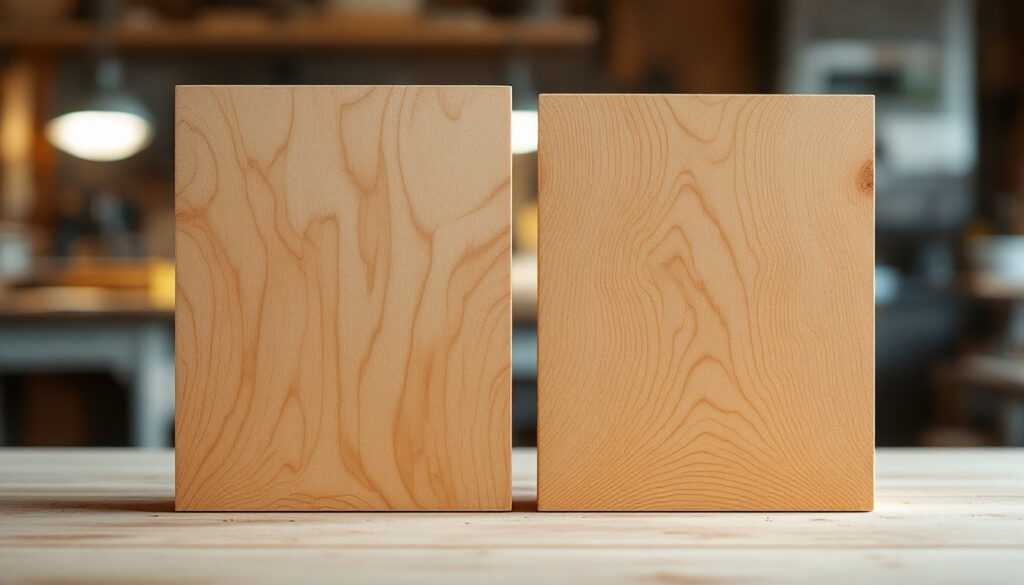
What grade and standard should they check before they buy formply?
They should look for structural ratings and compliance markings rather than relying on a generic “formply” label. A reputable supplier will state the standard, bond type, and whether it is intended for structural use. When they buy formply, they should ask for documentation if the sheets are doing anything load-bearing, as that affects approvals, liability, and long-term safety.”
How important is edge sealing for cabins in wet or cold climates?
It is critical, because plywood usually fails first at exposed edges. Many sheets come with factory-sealed edges, but cuts and drilled holes still need sealing on site. When they buy formply, they should budget for edge sealer and plan how they will protect edges at door thresholds, floor penetrations, and any place water can sit.
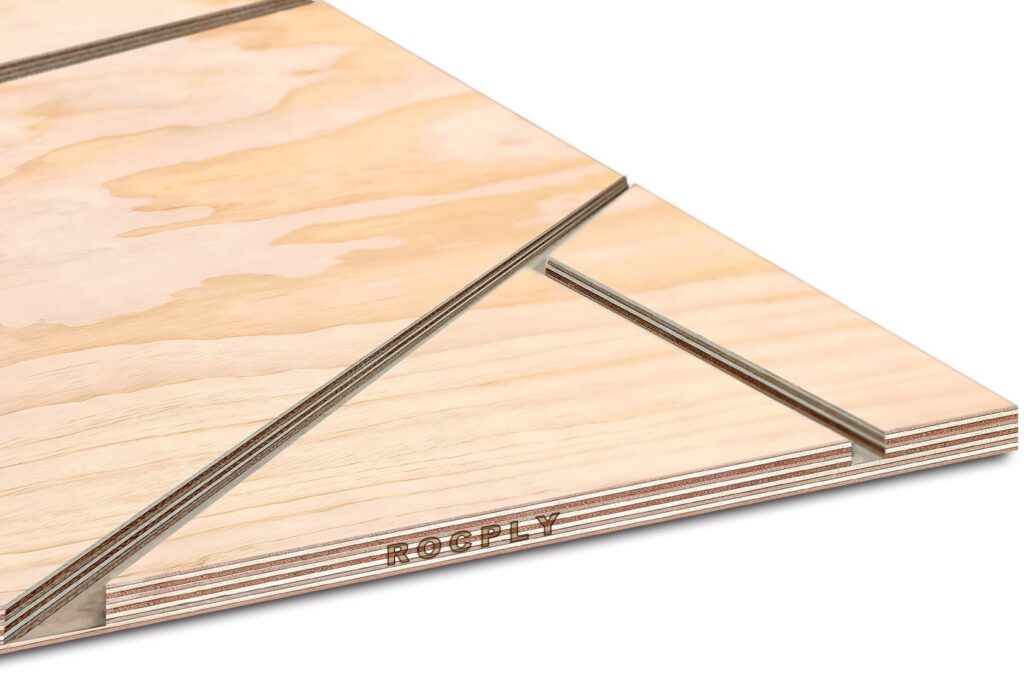
Should they choose film-faced or anti-slip surfaces?
They should choose based on where the sheet will live and what it needs to do. Smooth film faces work well for cleanable floors, benchtops, and painted internal linings, while anti-slip faces suit entry decks, temporary ramps, and wet utility areas. When they buy formply, they should confirm which face they are getting, as some products are one-sided and the wrong surface can complicate finishing.
What should they compare about the core: hardwood, softwood, or mixed?
They should compare core consistency and void content, because that affects screw holding and the chances of weak spots. A cleaner core with fewer gaps tends to machine better and holds fixings more reliably, especially at edges. When they buy formply, inspecting sheet edges for visible voids can help identify higher-quality products that perform better during cutting and fastening.
How can they tell if the sheets are flat and stable enough?
They should sight along the sheet and check for twist, bow, and cupping before loading up. Even good panels can move if they have been stored poorly. When they buy formply, they should also think about transport and storage at the cabin site, keeping packs off the ground, covered, and weighted to reduce moisture cycling.
Does it matter where they source and cut the sheets?
Yes, because accuracy and handling affect the whole build. A supplier that offers clean cutting, consistent stock, and proper storage reduces waste and rework. When they buy formply, they should assess whether suppliers can support cut lists and protect sheet surfaces during transportation and handling. Click here to explore smarter construction material management practices that can help minimise rework and optimise project outcomes.
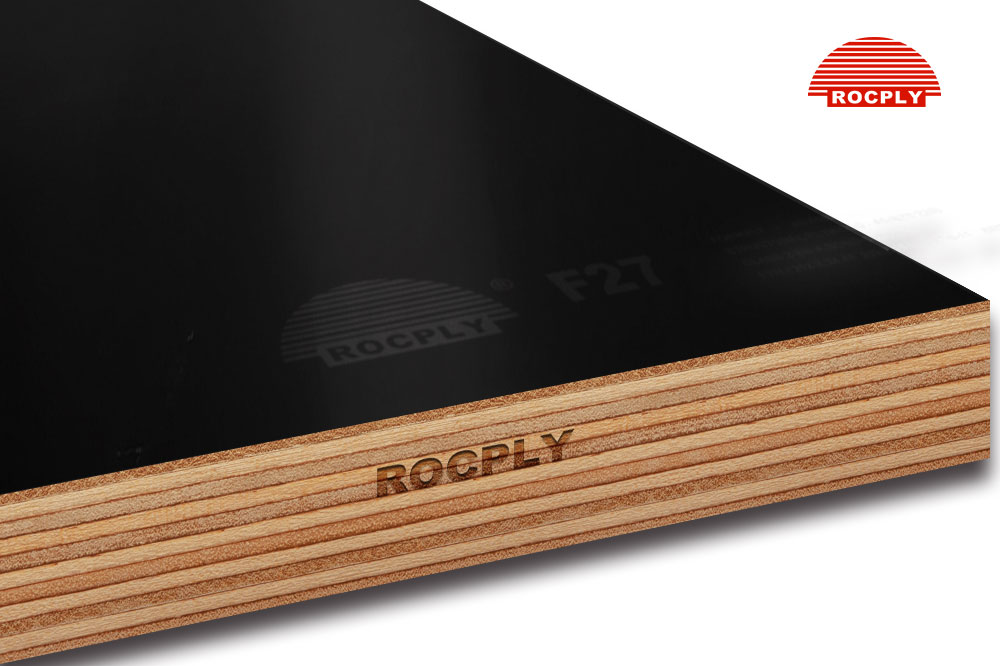
What fixings and adhesives work best with formply in a cabin build?
They should use fixings suited to structural plywood and the cabin’s exposure conditions. Galvanised or stainless fasteners help in damp environments, and pre-drilling near edges reduces splitting. When they buy formply, they should also consider adhesive compatibility, as some glues perform poorly on film-faced surfaces. For more information about LVL timber selection, visit https://customhomemagazine.com/lvl-timber-buy-guide-what-innovative-builders-should-check-before-ordering-materials/.
How should they budget when they buy formply without sacrificing quality?
They should compare cost per usable square metre, not just the headline sheet price. Cheaper sheets can cost more once they factor in waste from warp, voids, damaged faces, and extra sealing or patching. When they buy formply, it is smarter to choose the grade and finish that matches the cabin’s real use, then protect it properly so it lasts.
