
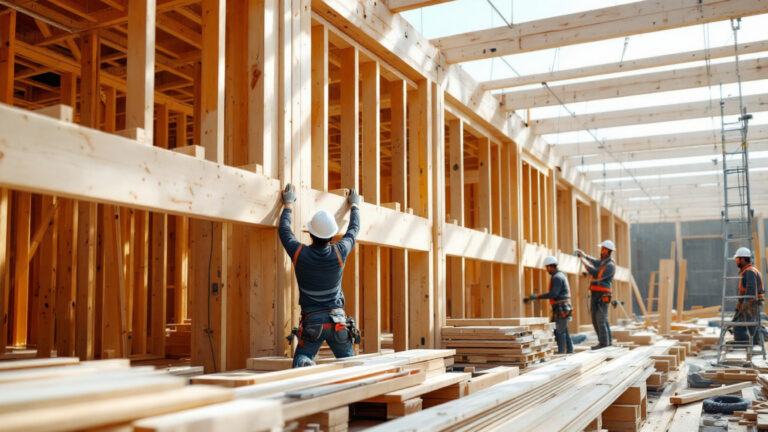
What is LVL Timber and why do innovative builders choose it?
LVL Timber (laminated veneer lumber) is an engineered wood product made by bonding thin timber veneers under heat and pressure. Builders choose LVL Timber because it is consistent, dimensionally stable, and available in long lengths that reduce joints and on-site headaches.
For projects where tolerances matter, LVL Timber helps keep floors flatter, openings truer, and load paths easier to calculate.
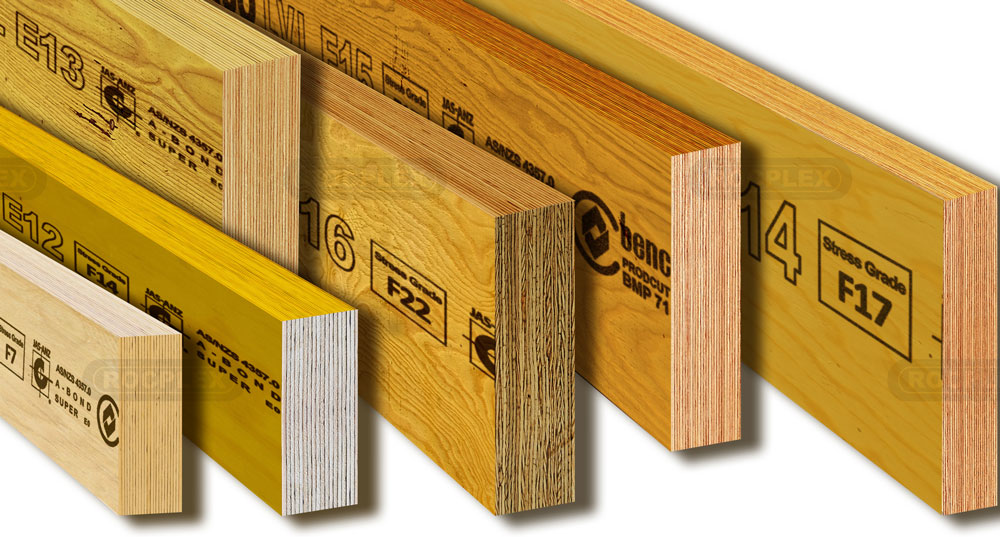
What structural information should they confirm before ordering LVL Timber?
They should confirm the exact span, load cases, bearing lengths, and support conditions with a qualified structural designer. LVL Timber sizes are not “one-size-fits-all,” and small changes in loading or restraint can alter the required depth, width, and grade. Learn more about lvl timber buy considerations to select the appropriate LVL products that align with your structural design needs.
They should also confirm whether the member acts alone or as part of a system, such as rim beams, trimmers, headers, or built-up beams.
Which grades and strength classes of LVL Timber should they look for?
They should specify the manufacturer’s grade and the declared performance values, not just a generic description. LVL Timber can vary by brand and certification, so it is vital to match the grade to the engineer’s design assumptions.
They should check documentation for characteristic strengths and stiffness, plus any restrictions for notching, drilling, and bearing.
What dimensions, tolerances, and straightness should they verify?
They should check the exact finished dimensions, allowable tolerances, and camber (if any) before placing the order. LVL Timber is known for straightness, but delivery length, moisture exposure, and handling can still affect alignment if storage is poor.
They should also confirm whether the beam is supplied planed, sealed, primed, or with factory-applied protection for site conditions.
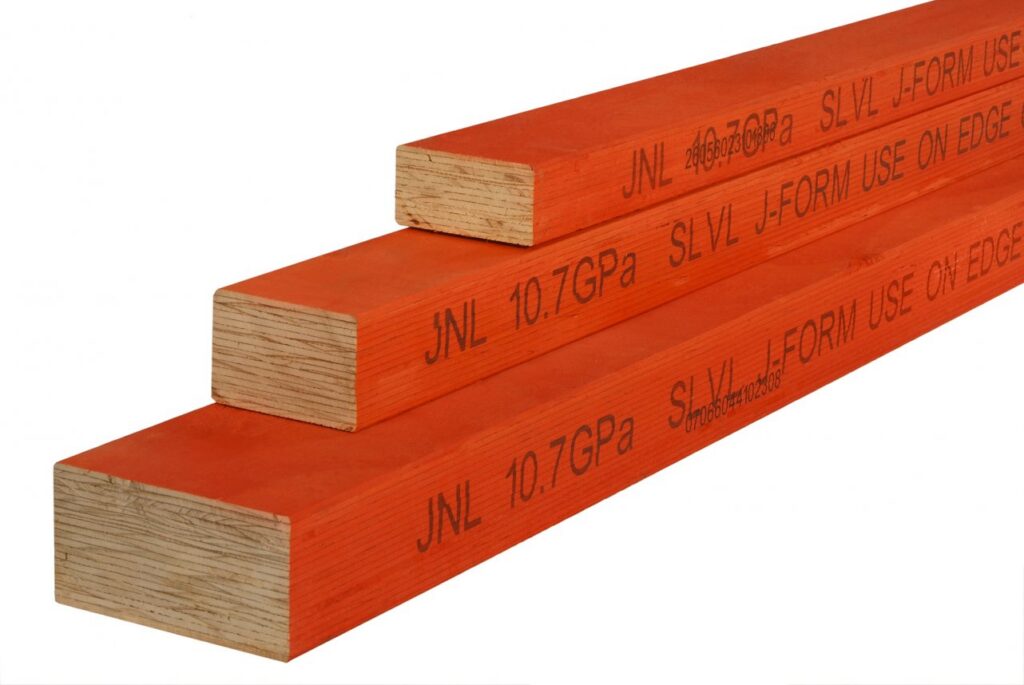
How should they check suitability for moisture, weather, and service class?
They should match the product to the environment: internal heated spaces, intermittently damp areas, or exposed conditions. LVL Timber performance depends on correct service class assumptions, including moisture content and adhesive durability ratings.
If the member will be near bathrooms, masonry, fresh screed, or temporary weather exposure, they should verify protection measures, sealing requirements, and the acceptable moisture limits at installation.
What fire performance and protection details should they confirm?
They should confirm the project’s fire resistance requirements and how LVL Timber will satisfy them through appropriate design measures, including charring allowances, plasterboard encapsulation, or intumescent coatings. Since fire compliance relies on the entire construction assembly, careful specification is critical. Click here to explore LVL timber fire safety solutions and discover approaches that support compliant structural design.
They should ask for tested assemblies or validated design methods consistent with local regulations and approvals.
What connection details and fixings should they plan for?
They should confirm connection design early because fixings can control both capacity and buildability. LVL Timber often uses hangers, bolts, screws, straps, and proprietary connectors, each with specific edge distances and installation rules.
They should also check whether the design allows site drilling and notching and where services may pass through without weakening the member.
What certifications, markings, and paperwork should arrive with the delivery?
They should require traceability and compliance paperwork as part of procurement. LVL Timber should arrive with identifiable markings and documents that demonstrate declared performance, manufacturing control, and suitable third-party certification.
They should keep delivery notes, product data sheets, and declarations on file, because these are often needed for inspection sign-off and warranty requirements.
How can they avoid common ordering mistakes with LVL Timber?
They should avoid ordering only by span and “rule of thumb” sizing. LVL Timber must match the engineer’s specification, including grade, depth, width, length, and any built-up configuration.
They should also avoid last-minute changes on site that affect load paths, such as moving supports, trimming more for openings, or introducing large service holes. If changes are unavoidable, they should re-check the design rather than improvising.
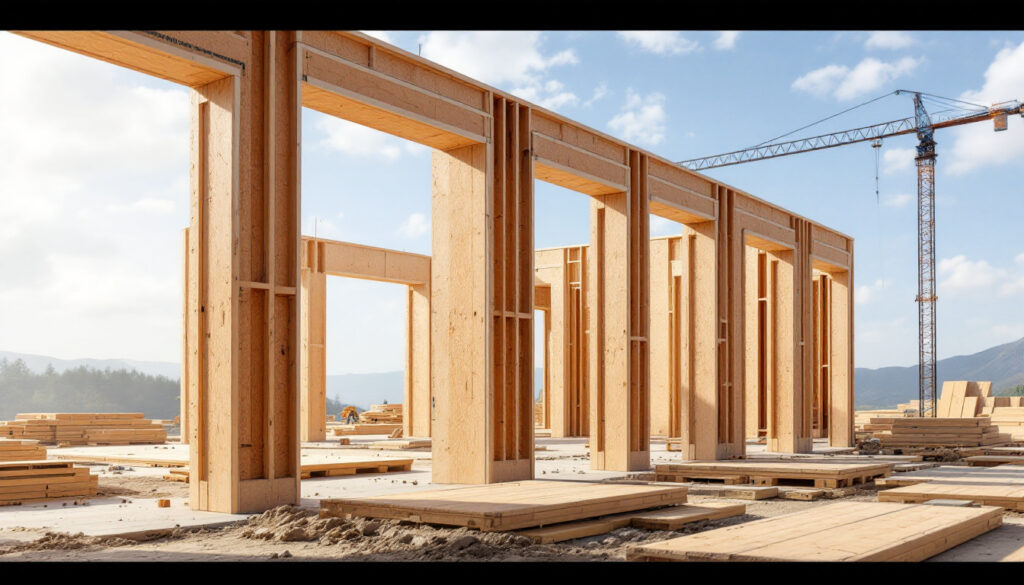
What should they check about lead times, cutting, and site handling?
They should confirm lead times, maximum lengths available, and whether factory cutting or pre-drilling is offered. LVL Timber can be supplied in long members, but transport limits and site access can control what is practical.
They should also plan storage: level bearers, protection from rain, ventilation to prevent condensation, and careful lifting to avoid edge damage. Good handling preserves the straightness that makes LVL Timber valuable in the first place. For additional guidance on formply buying considerations, visit https://customhomemagazine.com/buy-formply-what-cabin-owners-and-builders-should-compare-before-starting-a-project/.
What final pre-order checklist should they use?
They should place the order only once the design, detailing, and site constraints are aligned. LVL Timber procurement is easiest when the specification is explicit and the installation plan is realistic.
A quick checklist they can use:
- Confirm engineer-approved size, grade, and member layout for LVL Timber
- Verify service class, moisture exposure, and required protection
- Confirm fire strategy and any tested assembly requirements
- Finalise connection types, fixings, and drilling rules
- Check lengths, access, lead time, and storage plan for LVL Timber
If they run this checklist before purchase, LVL Timber is far more likely to arrive correct, compliant, and ready to build without delays.
