
What is a “safety strip” on a construction site?
A safety strip is a high-visibility strip or marking used to draw attention to a hazard or to define where people should and should not go. They commonly appear as adhesive floor tape, painted lines, edge protection markings, reflective strips, or contrasting nosings on steps.
They work best when they are consistent, clearly visible in site lighting, and placed where a person makes a decision like stopping, turning, stepping down, or entering a controlled zone.
When are safety strips typically required?
They are typically required when a risk assessment identifies a need for visual controls, such as a safety strip, to reduce slips, trips, falls, struck-by risks, or unauthorized access. Many site systems also require clearly marked safety strips as part of traffic management plans, temporary works controls, and housekeeping standards.
Safety strips are most often expected around openings, edges, changes in level, temporary walkways, and in areas where pedestrians and plant interact.
Which rules actually govern safety strip requirements?
The governing rules usually come from a mix of legal duties, codes of practice, national standards, and the principal contractor’s site requirements. In many regions, the law does not list “safety strip tape” as a single named item, but it does require employers and duty holders to provide safe access, safe workplaces, clear signage, and effective controls.
Because enforcement focuses on outcomes, they should confirm what the local regulator expects and what the project’s safety plan specifies before choosing materials and layouts.
Where should safety strips be installed to reduce real risk?
They should be installed where they change behavior quickly and predictably. Common locations include leading edges near excavations, floor penetrations, lift shafts, and temporary openings; step edges and stair nosings; ramp transitions; and the boundaries of laydown areas.
They are also useful at the start of exclusion zones, at crossings on vehicle routes, and along designated pedestrian walkways, especially when visibility is reduced by dust, clutter, or low light.
What colors and patterns are normally used, and what do they mean?
Most sites use a small set of consistent meanings. Yellow often signals caution or a general hazard boundary, while red may indicate danger or emergency-related restrictions depending on local conventions. Black and yellow diagonal striping is widely used to highlight physical hazards such as pinch points, low beams, edges, and obstructions.
They should avoid inventing new meanings mid-project. If the site uses multiple colors, they should publish a simple legend on noticeboards and in inductions.
How wide, reflective, or durable do safety strips need to be?
They need to be visible at the distance where a person must react, and durable enough to stay effective under site abuse. In practice, wider strips are easier to see and harder to ignore, while reflective or photoluminescent strips help in low light, night work, or emergency egress routes.
Durability matters as much as visibility. If strips peel, fade, or become slick when dusty, they can create hazards rather than preventing them.
What surface prep and installation details keep safety strips compliant?
They should be applied to clean, dry, and stable surfaces so they do not lift at the edges. Poor adhesion is a common failure point, especially on dusty concrete, textured substrates, or damp areas.
They should also ensure the strip does not introduce a trip edge. If tape thickness is significant, tapered edges or a different marking method may be safer in high-footfall routes.
How do safety strips fit with signage, barriers, and site traffic plans?
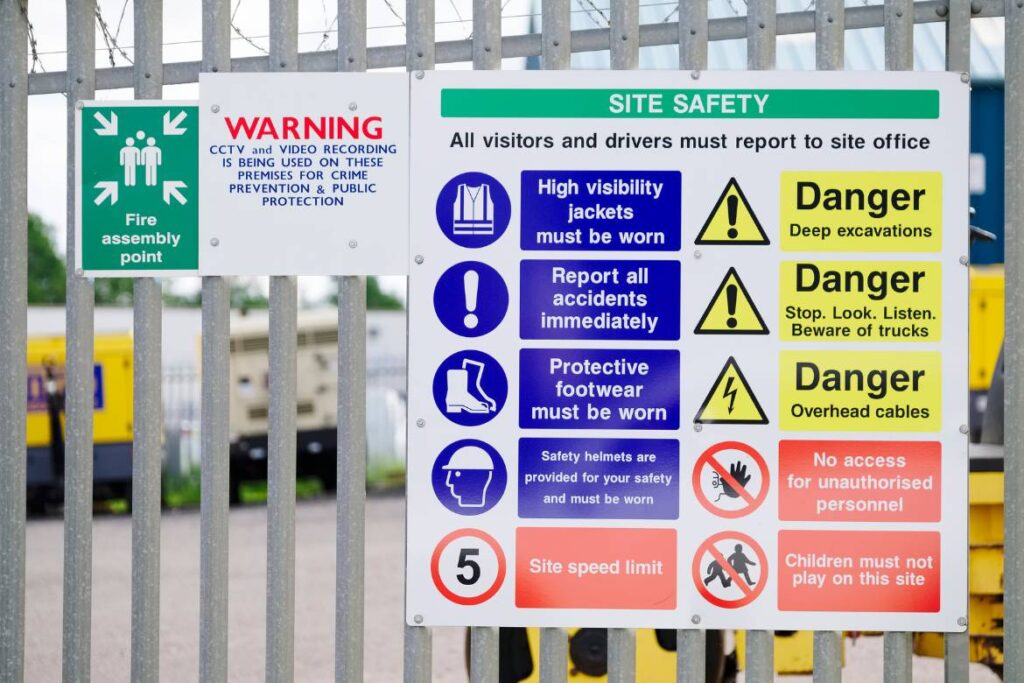
Safety strips are a visual layer, not a replacement for physical controls. They work best when paired with barriers, guardrails, toe boards, and clear signage, especially around fall hazards and exclusion zones.
For traffic management, they should align strips with the documented plan: pedestrian routes, crossing points, vehicle turning zones, and no-go areas. If markings contradict cones or signage, people follow the most convenient cue and risk rises.
Who is responsible for maintaining safety strips during the job?
Responsibility usually sits with the principal contractor or site management, but maintenance often relies on supervisors and trade teams reporting damage quickly. Because construction sites change daily, strips that were correct last week can become wrong this week.
They should include safety strip checks in routine inspections, housekeeping walks, and prestart processes, with a clear method for replacing worn or misplaced markings.
What are the most common mistakes that lead to failed inspections or incidents?
The most common mistake is using strips as decoration instead of control, adding tape everywhere until nothing stands out. Another frequent issue is poor upkeep: torn tape, dirty markings, and inconsistent colors across zones.
They also commonly fail when strips are placed without considering movement, such as marking a walkway that leads straight into a crane pick area, or highlighting a hazard but leaving the physical risk unguarded.
What is the simplest way to set a site-wide safety strip standard?
They should standardize three things: meaning, placement rules, and inspection cadence. A short site “marking and striping” sheet can define which colors mean what, where strips must be used, and what “good condition” looks like.
If they keep it simple and train it in induction, safety strips become a reliable language on site rather than a patchwork of personal preferences.
FAQs (Frequently Asked Questions)
What is a safety strip on a construction site and how does it enhance safety?
A safety strip is a high-visibility marking such as adhesive floor tape, painted lines, or reflective strips used to highlight hazards or define safe boundaries. They help workers and visitors see risks clearly, understand where they should and shouldn’t go, and move safely through busy or hazardous areas.
When are safety strips typically required on construction sites?
Safety strips are usually required when risk assessments identify the need for visual controls to reduce slips, trips, falls, struck-by incidents, or unauthorized access. They are commonly used around openings, edges, level changes, temporary walkways, and zones where pedestrians interact with machinery.
Which regulations govern the use of safety strips on construction sites?
Safety strip requirements stem from a combination of legal duties, codes of practice, national standards, and site-specific rules set by the principal contractor. While laws may not specifically name ‘safety strip tape,’ they mandate safe access, workplaces, clear signage, and effective hazard controls. Compliance depends on local regulator expectations and the project’s safety plan.
Where should safety strips be installed to effectively reduce risks?
Safety strips should be placed where they prompt immediate behavioral changes—such as near leading edges of excavations, floor openings, stair nosings, ramp transitions, laydown area boundaries, exclusion zone entrances, vehicle crossing points, and pedestrian walkways especially in low visibility conditions like dust or poor lighting.
What colors and patterns are commonly used for safety strips and what do they signify?
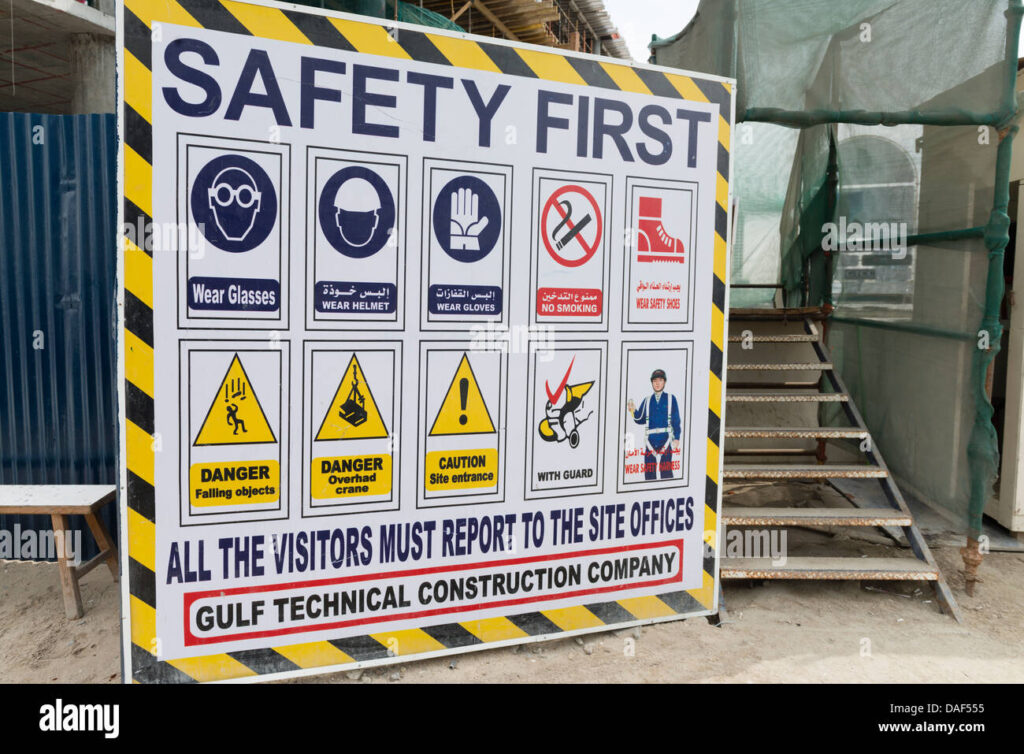
Commonly used colors include yellow for caution or general hazards; red for danger or emergency restrictions depending on local conventions; and black-and-yellow diagonal stripes to highlight physical hazards like pinch points or obstructions. Consistency is key—sites should avoid introducing new color meanings mid-project and provide clear legends during inductions.
How can construction sites maintain effective safety strips throughout the project duration?
Maintenance responsibility often lies with principal contractors and site management but relies on supervisors and trade teams to report damage promptly. Regular inspections during housekeeping walks and prestart checks ensure strips remain visible and intact. Replacing worn or misplaced markings quickly prevents confusion and maintains safety integrity. Learn more about buy formply: 5 mistakes to avoid on large projects.
